After learning the why, what, and how of branding in the previous five posts (Post 1, Post 2, Post 3, Post 4, Post 5), it’s time to see it in action.
In this bonus post, we’ll walk through a real-world example: the North Carolina Museum of Art’s brand identity book. This document shows how a major arts organization translates its mission and strategy into a cohesive, consistent brand across everything it does — from logos and colors to tone of voice and writing style.
Why Brand Guidelines Matter
Think of brand guidelines as a user manual for your organization’s identity. It’s not just about aesthetics — it’s about making sure that every piece of communication, no matter who creates it, feels like it came from the same place.
For arts organizations like NCMA, that means every team — marketing, education, fundraising, visitor services — is working from the same playbook. That’s how branding becomes recognizable, trustworthy, and effective.
The Structure of NCMA’s Brand Guidelines
Here’s what the NC Museum of Art includes — and why it matters:
1. Mission, Vision, and Values
This section is front and center — and for good reason. It anchors the entire brand.
It tells us:
- What NCMA exists to do
- Who it serves
- What makes it distinctive
Key takeaway: Your brand flows from your mission. Everything else builds on this foundation.
2. Museum Voice (aka Positioning Statement)
This is where NCMA defines the tone and character of its communications — what kind of personality it projects to the world.
It also touches on positioning — how the museum differentiates itself from other cultural options. Why would someone choose NCMA over other ways to spend their time and money?
Key takeaway: Your brand should sound like you — not like a generic institution. Voice builds connection.
3. Visual Identity
Now we get into the visual components:
- Logo
- Colors
- Typography
- Sub-brands (for specific programs or departments)
Each element is accompanied by explanations — not just how to use them, but why they were chosen.
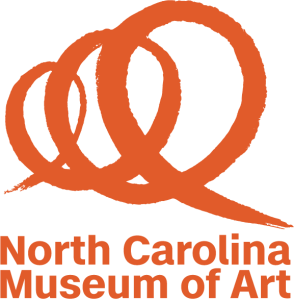
For example, NCMA’s logo has a distinctive curly design that is a representation of a sculpture on their property. Their brand book walks through what it represents, how to apply it, and how not to use it (very important).
Color palettes are defined with examples of how to combine them. Fonts are listed along with backup options (like Arial) for use in more limited environments.
Key takeaway: Visuals should reflect strategy — not personal taste. And consistency is everything.
4. Application Across Departments
This identity book isn’t just a tool for the marketing department, it’s used throughout the organization. Education teams, fundraising staff, and even volunteers are expected to use the brand guidelines — because everyone is part of how the museum presents itself.
Key takeaway: Branding is an organization-wide responsibility. Everyone contributes to how your brand is experienced.
5. Rules for Use
The guidelines aren’t just inspirational — they’re practical. They include do’s and don’ts, examples of correct and incorrect logo use, and visual mockups of real applications.
This makes it much easier for anyone creating a flyer, Instagram post, or donor letter to get it right — without reinventing the wheel every time.
Key takeaway: Good guidelines reduce confusion and increase quality — saving time and protecting your brand.
Why This Example Matters
The NCMA brand book might seem polished and professional — and it is. But its structure and purpose are 100% replicable, even for small teams or emerging organizations.
You can start simple:
- One page for mission and tone
- A shared Google Doc with colors, fonts, and logo files
- A paragraph explaining what makes your org distinctive
- A checklist for anyone creating materials
Brand guidelines don’t need to be fancy. They just need to be used.
Takeaway
The NC Museum of Art’s brand guidelines are a model of clarity, strategy, and execution. They show what’s possible when you treat branding as part of your core work — not an add-on.
By putting thought into everything from logo placement to writing tone, NCMA ensures that its brand isn’t just seen — it’s felt.
Want to build your own brand guidelines, even on a small scale? Start with your mission and tone, and grow from there. Every bit of consistency helps.
Discover more from Hannah Grannemann
Subscribe to get the latest posts sent to your email.
 Hannah Grannemann